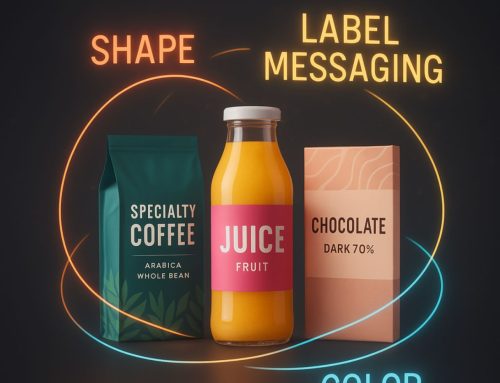
The Power of Sensory Experience in Driving Brand Differentiation
In an overcrowded and highly competitive market, sensory marketing has become a strategic advantage for food & beverage brands. Engaging sight, sound, touch, smell, and taste doesn’t just enhance consumer engagement—it transforms products into memorable experiences that strengthen differentiation, loyalty, and perceived value.
How Multisensory Engagement Elevates Food & Beverage Brands
In an overcrowded market—where digital fatigue is high and product offerings look increasingly similar—brand differentiation is more critical than ever. Functional benefits alone no longer drive growth. Consumers now expect experiences that generate emotional resonance, spark engagement, and create memorable moments.
Today, the brands that win are those that feel different. They build value not only through what they sell, but through the emotions they evoke.
This is where sensory marketing shifts from a creative nice-to-have to a strategic business lever.
Why Sensory Marketing Matters for B2B Brands
Sensory marketing, defined as “marketing that engages consumers’ senses and affects perception, judgment, and behavior” (Krishna, 2012), explains how sight, sound, touch, smell, and taste shape our relationship with brands.
Research shows that brand experience is multidimensional—sensory, emotional, cognitive, and behavioral. When these layers blend, they create deep emotional attachment that transforms occasional buyers into loyal advocates (Brakus, Schmitt & Zarantonello, 2009).
In short:
A brand that engages the senses doesn’t just sell. It creates memories.
And those memories drive loyalty, satisfaction, and long-term growth.
The Five Senses in Food & Beverage Experiences
- Sight: The First Promise of Taste - Visual cues set expectations before any sip or bite. Color, clarity, texture, and packaging influence how consumers imagine flavor, freshness, and quality.
- Sound: The Most Underrated Sensory Trigger - The clack of a bottle cap, a carbonation fizz, the crunch of a snack—these auditory signals instantly activate cues of freshness, pleasure, and authenticity.
- Touch: Texture Shapes Perception - Creaminess, crispness, foaminess, roundness… Mouthfeel is a powerful driver of perceived quality and emotional satisfaction.
- Smell: The Gateway to Memory - Aromas evoke places, moods, and memories. From citrusy sodas to roasted coffee or malty beer, smell often determines whether a product feels inviting or not.
- Taste: The Multisensory Result - Taste is the final integration of all senses: sight, sound, smell, and touch. It’s also deeply personal—each consumer has a unique taste profile, shaped by preferences for freshness, intensity, sweetness, bitterness, or creaminess.
Want to discover your personal taste profile? Take our Taste Test!
From Sensory Science to Strategy: A Guided Beer Tasting Experience
To understand how multisensory design boosts brand differentiation, imagine a beer tasting session built as a brand strategy exercise, not just as entertainment:
- Sound: The crisp clack of opening the bottle sets immediate expectation.
- Smell: Malty aromas—caramel, roasted grains, chocolate—activate memory and anticipation.
- Sight: The golden color, bubbles, or creamy head create visual cues before the first sip.
- Taste: Flavors interact—bitterness, sweetness, acidity, body—and define the beer’s unique identity.
- Touch (Mouthfeel): Crisp and refreshing, or smooth and warming—the texture completes the experience.
This multisensory choreography isn’t just pleasurable: it shapes how consumers perceive and remember your brand.

Why Sensory Strategy Drives Business Results
Sensory design is not just a creative asset—it’s a measurable competitive advantage.
Recent studies show that:
- Sensory brand experience increases loyalty and customer satisfaction (Lee & Lou, 2025).
- Integrating sensory cues across digital and physical touchpoints improves interaction and perceived value (Liu, Zhang & Chen, 2023).
A multisensory journey transforms a simple product into an emotional experience.
For brands, this means:
- Stronger differentiation
- Higher customer engagement
- Greater perceived value
- More memorable brand moments
In a saturated market, this is a decisive edge.

Turning Experience into Competitive Strategy
If your goal is to move from selling a product to delivering an experience your customers remember, sensory design can become your most powerful asset.
Every sip, every scent, every sound tells a story.